Lupa was born out of a belief that the existing tools were insufficient to deal with the increasing complexity of the existing commercial and industrial energy market.
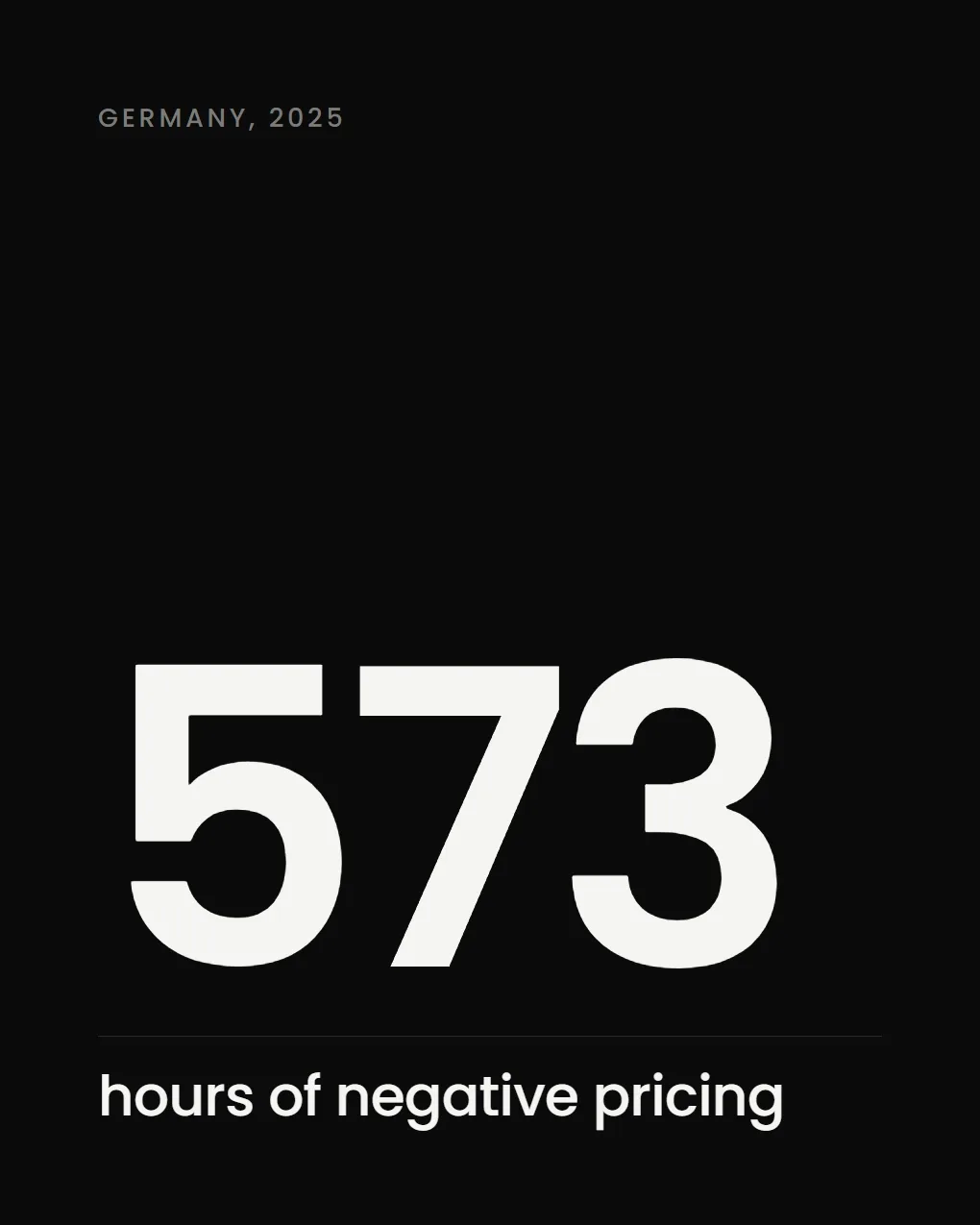
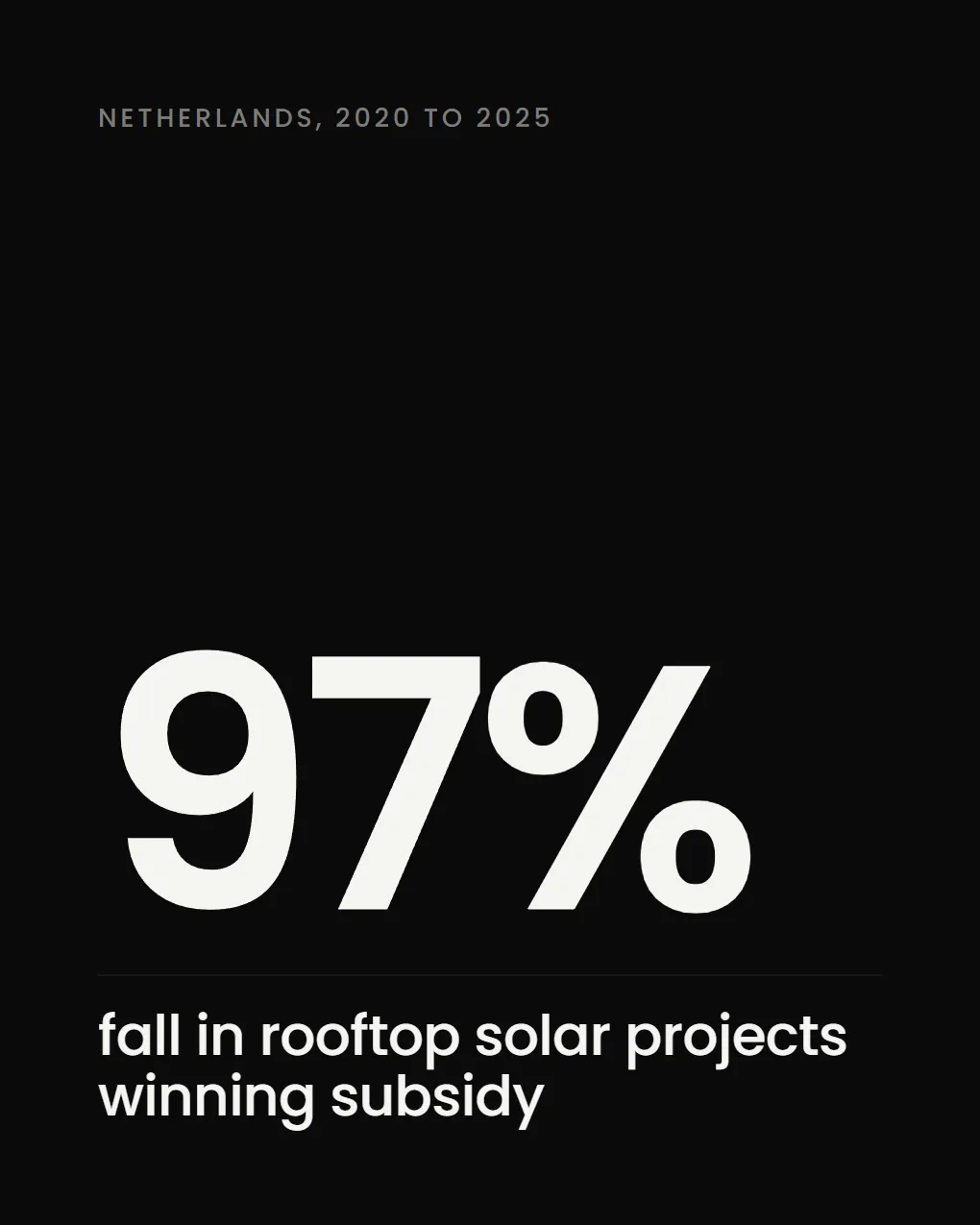
As the penetration of solar PV in Europe's grid mix increases, countries are experiencing an oversupply of electricity during the key solar generating hours and, as such, negative pricing periods are increasingly common. One of the upshots of this trend is that countries are increasingly rolling back fixed, long-term feed-in tariffs for solar PV, dramatically impacting the viability of commercial rooftop solar projects.
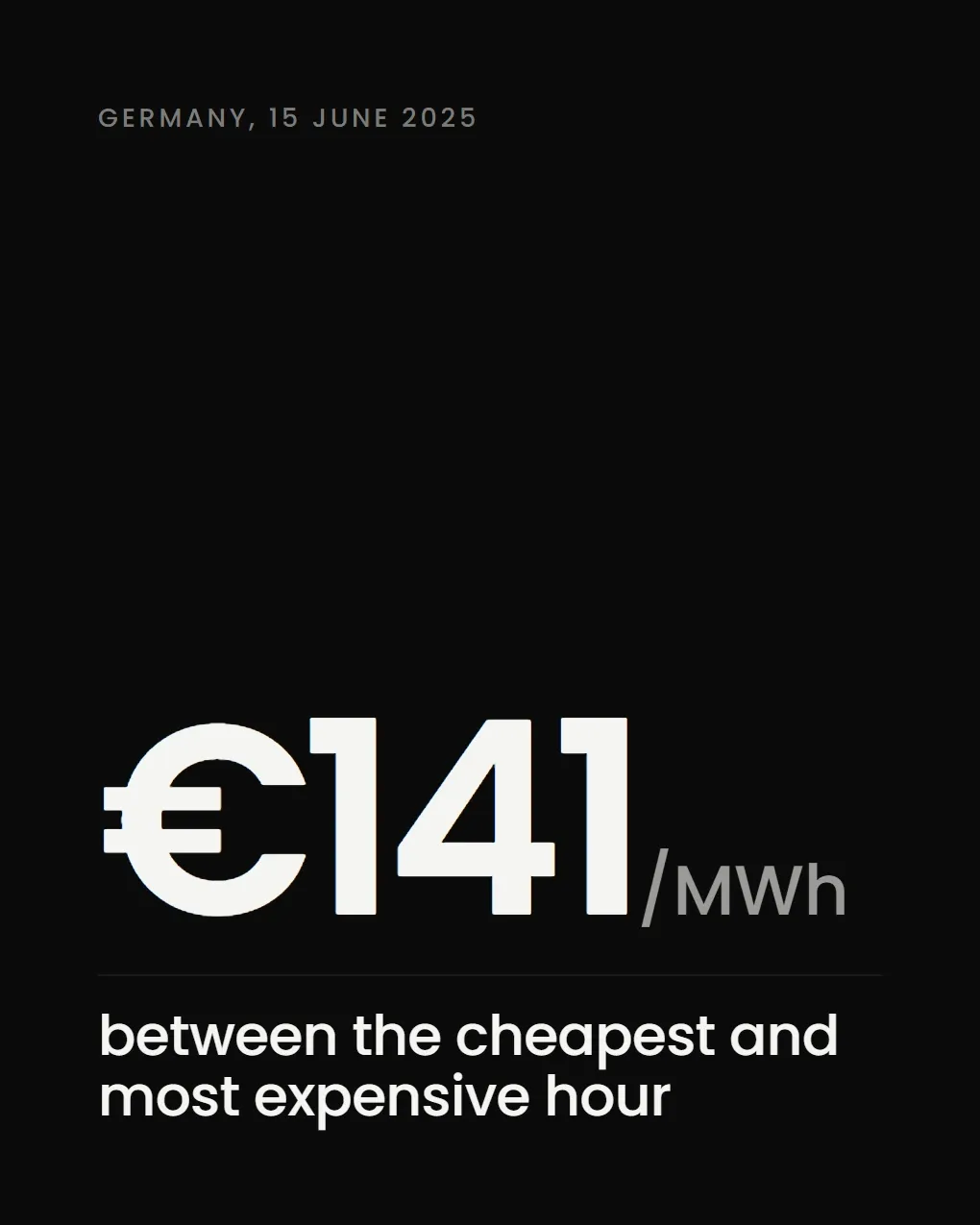
Buildings can no longer simply generate and consume. To fully capitalise on this new normal of radically reduced subsidy environment and more volatile electricity prices, they need to react to price signals from the grid to determine when they charge, discharge, consume and export. Modelling this behaviour is simply beyond the limitations of an Excel model.
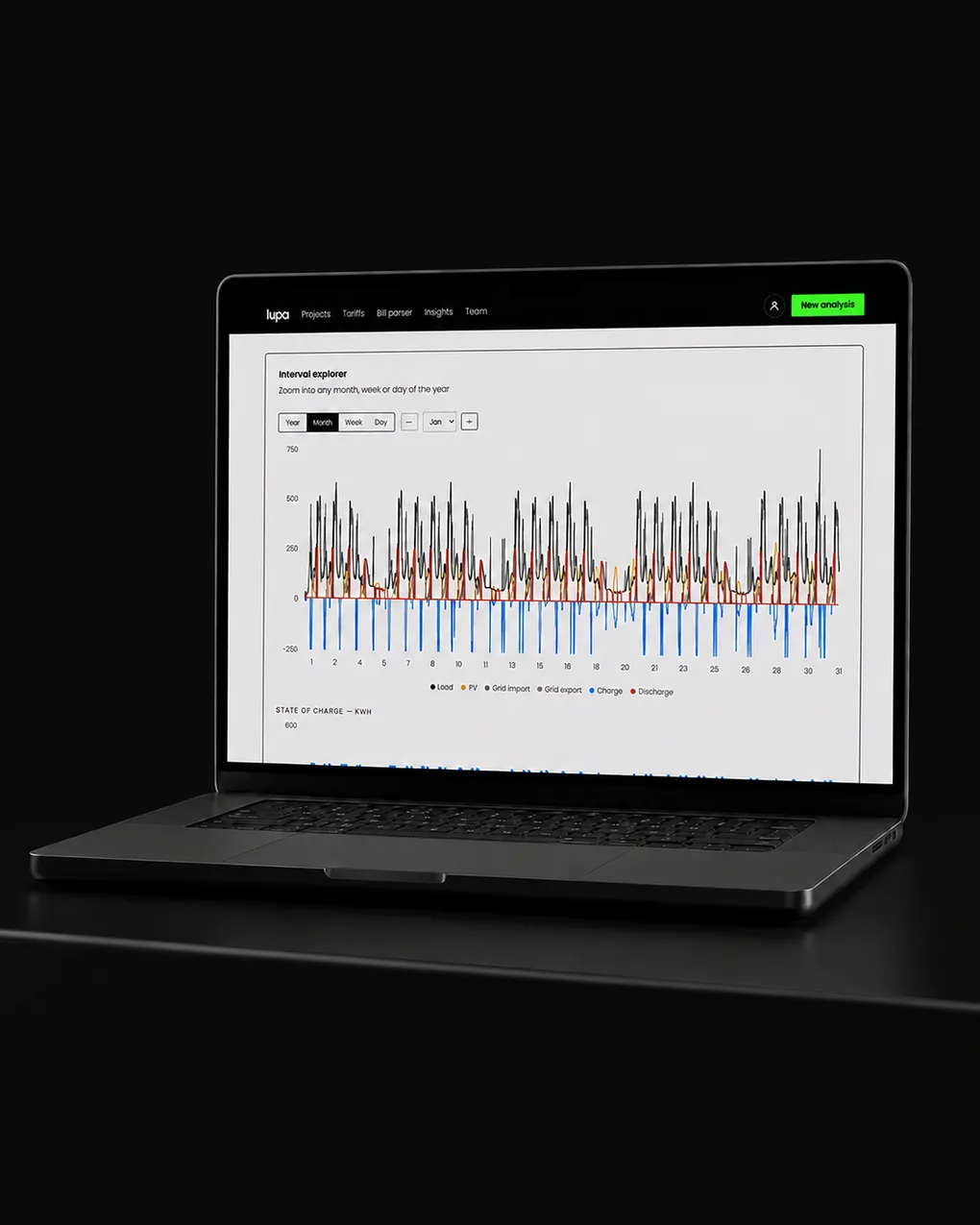
Lupa is built on linear programming. The solver finds the combination of importing, exporting, charging, discharging and curtailing that produces the lowest total cost across the year, subject to the limits that genuinely bind the site. In doing so, it creates a picture of how that building would actually be run, half hour by half hour, across a whole year.
Buildings are not static
Conventional solar and battery storage modelling takes the building as it is today. However, the required electrification of our heating systems, a pressing need to electrically cool our workplaces, the proliferation of electric vehicles, and increased levels of automation are all coalescing to drastically enhance the load requirements of our buildings.
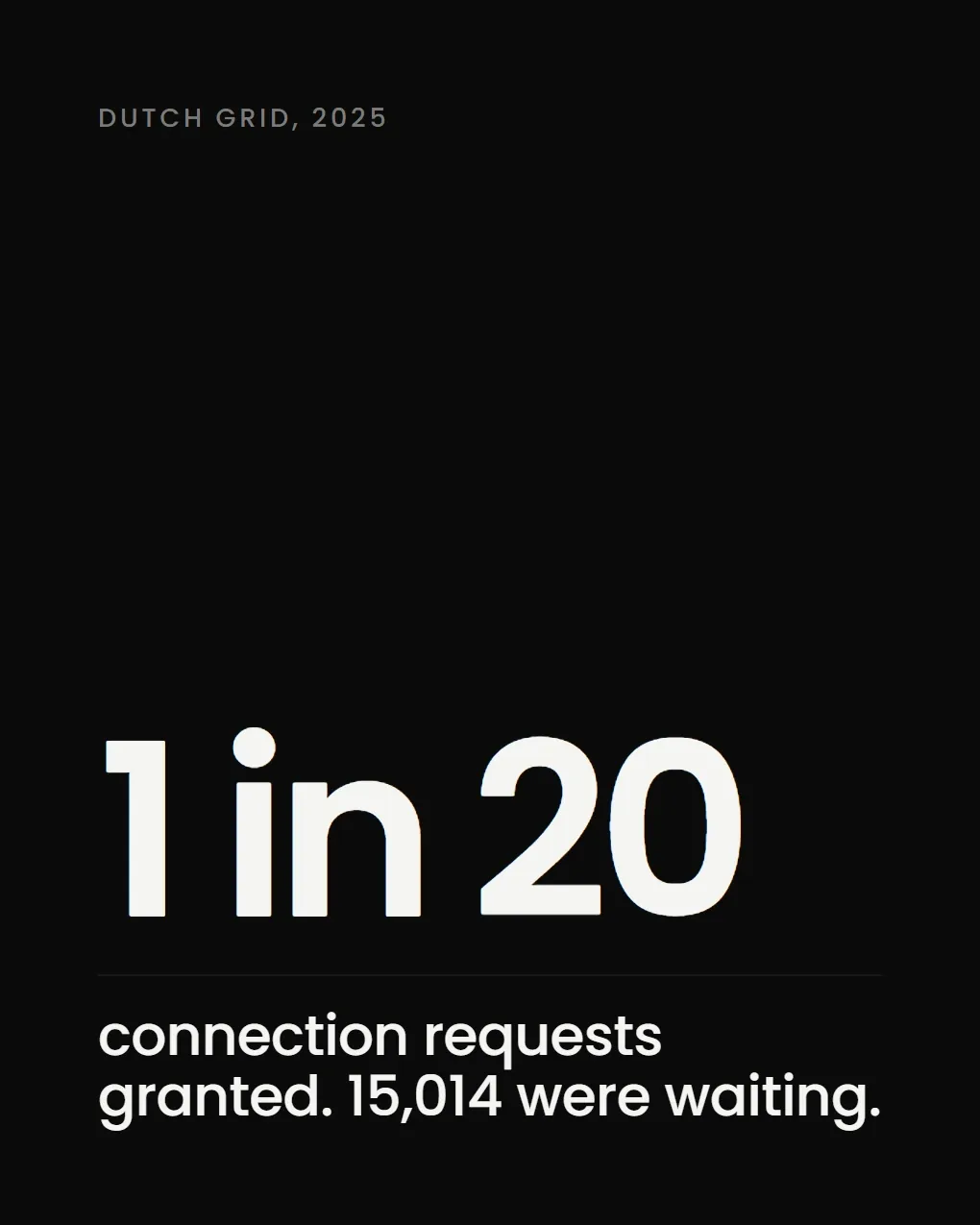
At the same time, the grid is both more constrained than ever, and the price of electricity more volatile than at any other time in history.
It is vital we understand how the behaviour of our buildings is likely to change and whether this can be accommodated with a combination of onsite solar and battery storage solutions and by an enhanced and/or more flexible grid connection.
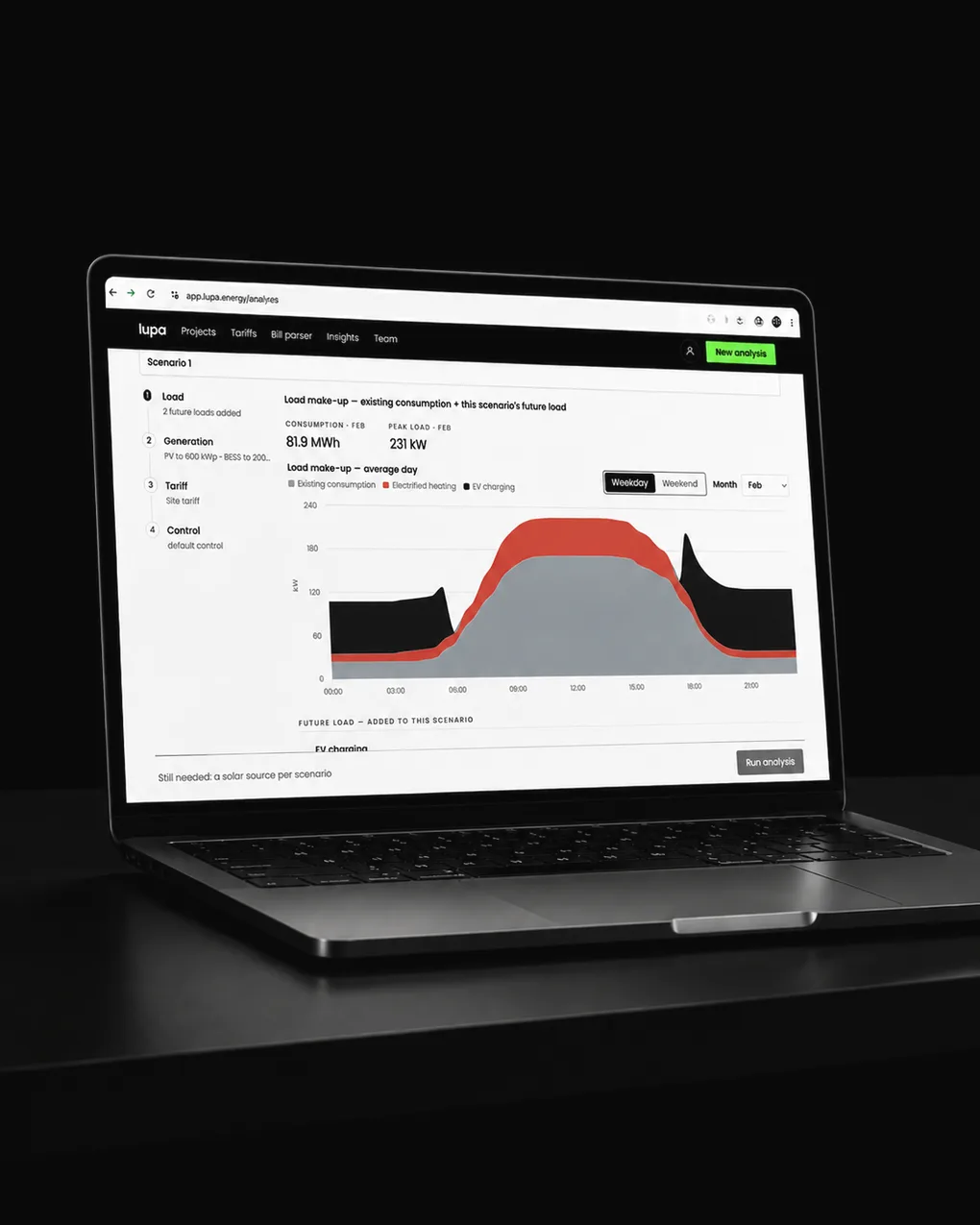
Lupa allows you to forecast a range of potential future consumption scenarios, either by overlaying electrified heating, mechanical cooling and EV charging on top of a building's existing consumption, or by changing the operating type of the building altogether. All of it is open on your own building from the first day of the trial.
Explore Lupa risk-free with a 60-day free trial
Don't take our word for it. Try the platform today for free, for 60 days.